What mold remediation and testing cost in Milwaukee, and why
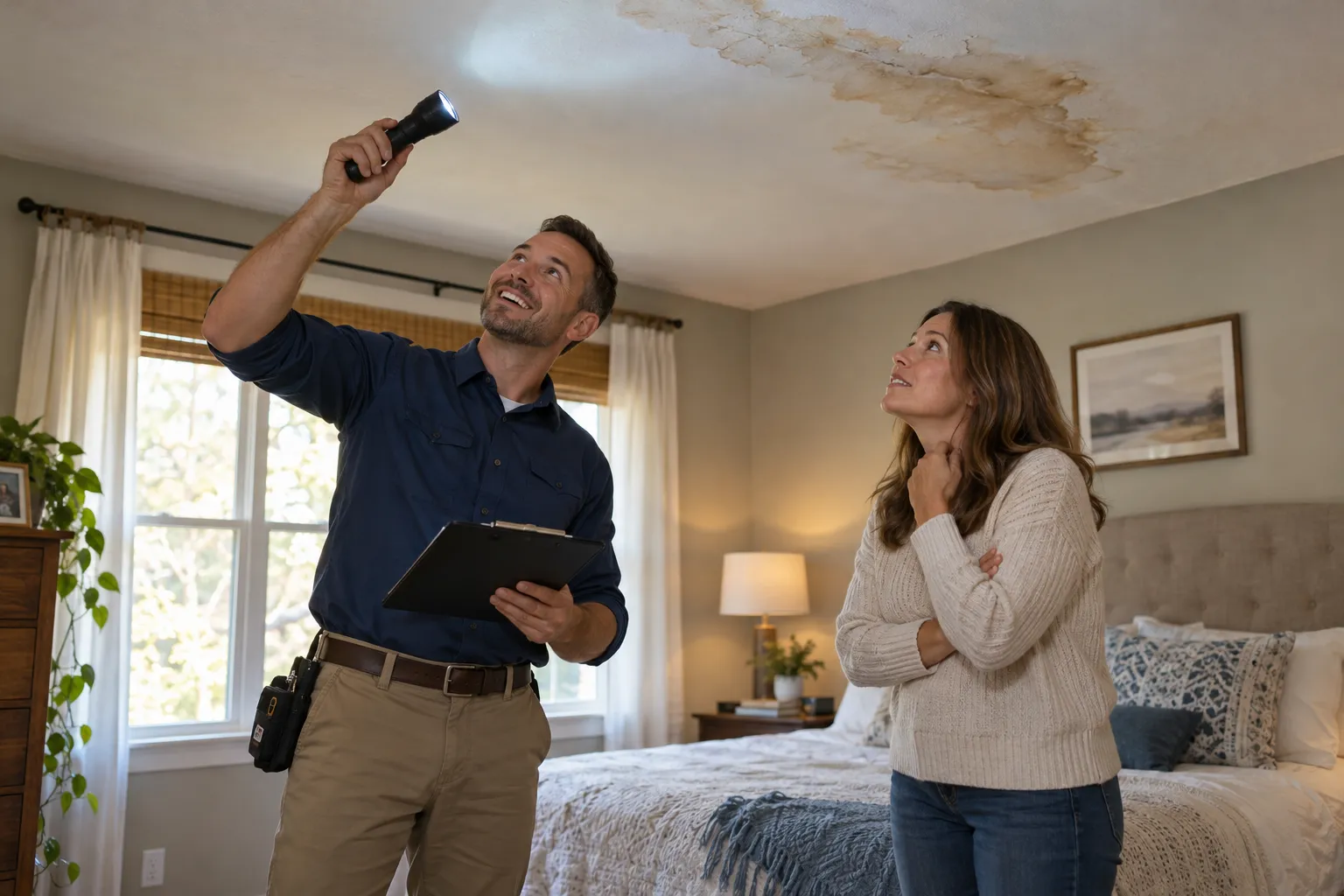
Mold quotes vary a lot, and the reason is usually scope, not the company. This guide explains how a quote is built, what moves the price, and how to compare offers. Every figure below is a typical range from the Premiumcharlotte Mold Help service pages. Your job may fall outside it.
How a quote is put together
Most quotes combine the same pieces:
- Finding the moisture source and measuring the affected area
- Setting up containment and air filtration
- Removing materials that cannot be cleaned, such as soaked drywall or insulation
- Cleaning and drying what stays
- Testing afterward to confirm the area is ready for repairs
Labor hours and equipment time drive most of the total. Rebuilding is usually a separate cost. Ask whether the quote includes replacing drywall, trim and paint, or only the removal.
Typical remediation ranges
- Small area (under 10 sq ft): $500 – $1,500. Often one room or a single wall section.
- Moderate area (10–100 sq ft): $1,500 – $4,000. May include drywall removal and containment.
- Large or whole-room job: $4,000 – $10,000+. Higher with framing damage or hidden spread.
- Crawl space or attic: $1,500 – $6,000. Tight access raises labor time.
- HVAC duct cleaning for mold: $1,000 – $3,000. Depends on system size and duct condition.
- Post-work clearance test: $300 – $700. Confirms the area is ready for repairs.
Typical inspection and testing ranges
Some homeowners start with an inspection to learn how far the problem goes.
- Basic visual inspection: $300 – $500. Small to mid-size home, no lab work.
- Full home inspection with report: $400 – $1,000. Larger homes cost more.
- Air sample (each): $50 – $150. Often an outdoor sample is added.
- Surface or swab sample (each): $40 – $100. Good for a single stain.
- Thermal camera or moisture mapping: $150 – $500. Sometimes included in the visit.
- Clearance testing after cleanup: $200 – $600. Confirms the work area is clean.
Samples add up. Ask how many the provider plans to take and why each one is needed.
What pushes a price up
- Hidden spread. Growth behind walls, under flooring or in framing means more demolition.
- Ongoing moisture. If a leak, poor grading or a failing sump pump is still feeding the problem, the cleanup cannot hold until that is fixed.
- Hard access. Tight crawl spaces and low attics slow the crew.
- Size of the job. More square footage means more containment, more material and more hours.
- Duct involvement. Mold in the HVAC system adds a separate scope.
- Extra testing. More samples and more lab work add cost.
In the Milwaukee area, finished basements after spring flooding often fall in this group. Carpet, drywall and insulation may all need to come out, which raises the total.
What can keep it down
- Acting early. A small area costs less than a spread-out one.
- Fixing the water source first. A repaired pipe or a working sump pump keeps a job from growing.
- Clear access. Moving stored items out of the work zone before the crew arrives saves setup time. Do not handle moldy materials yourself.
- A defined scope. A written scope prevents add-ons that were never discussed.
- Asking about rebuilding separately. You may prefer your own contractor for finish work. Compare the options.
Comparing quotes fairly
Put the quotes side by side and check the same items on each: area covered, containment, materials removed, drying, testing and rebuilding. A quote that looks much lower may skip containment or the clearance test. A quote that looks much higher may include rebuilding the others leave out.
Be cautious about a large deposit, a vague scope, or a price that changes when you hesitate. Ask your insurer directly what your policy covers rather than assuming.
Keep reading
What mold remediation and testing cost in Milwaukee, and why: questions
Why is there such a big spread in mold remediation prices?
The spread comes from scope. A single wall section is a different job than a whole room with framing damage or hidden spread. Containment, material removal, drying time, access and testing all change the total. The ranges on this page show that: small areas run $500 – $1,500, while large jobs run $4,000 – $10,000+.
Is a clearance test worth the cost?
A clearance test checks whether the area is ready for repairs after cleanup. Post-work clearance runs $300 – $700 for remediation, and clearance testing after cleanup runs $200 – $600 on the inspection side. It is an added cost, but it replaces a guess with a measured result and a lab report.
Does the quote usually include rebuilding?
Not always. Many quotes cover removal, cleaning and drying only, while drywall, trim, flooring and paint are priced separately. Ask the provider to state in writing what is and is not included, and decide whether to hire them or someone else for the repairs.
Get in touch
Questions about a musty smell or a dark patch? Request a callback to check provider availability, or send a quick estimate request.
No obligation